
Does Forza Horizon 6 Break The Barrier?
Forza Horizon 6 wants to be the perfect racing game for everyone, from complete newcomers to passionate car enthusiasts. But in trying to satisfy both audiences, has Playground Games left the series without a clear identity?
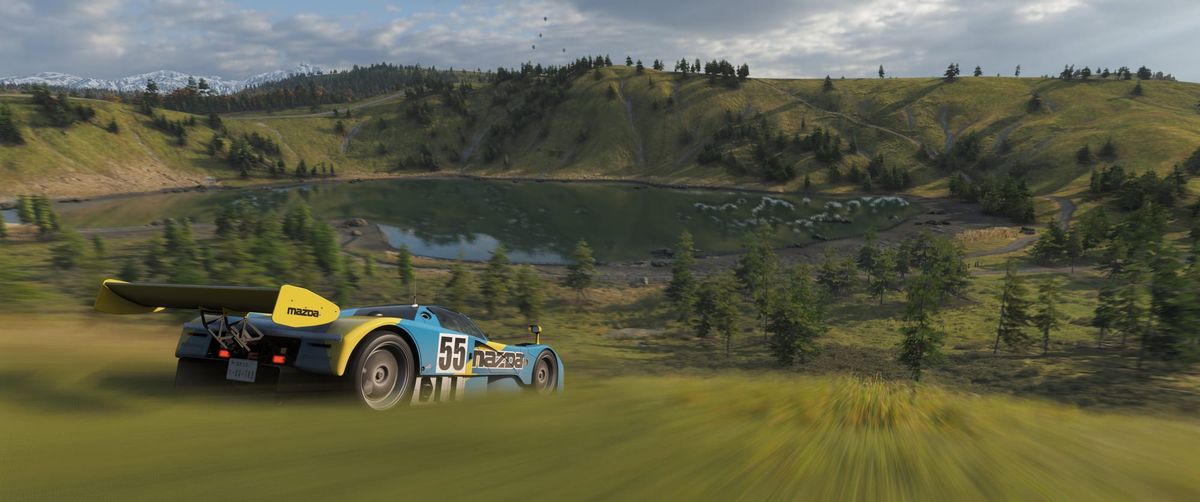
In the 19th of May of 2026 Playground Games released what can probably be considered one of their most ambitious projects yet: Forza Horizon 6.
Taking place in Japan the game aims to capture the attention of both car and Japan enthusiasts to a degree that locations for the previous entries such as Mexico and the United Kingdom never really could.
After having spent approximately 80 hours in the game already, my biggest concern lies on wether the game finally manages to break the barrier between the overall gaming community and the racing enthusiasts, more sim-oriented playerbase.
As a newcomer to the Forza franchise, it's difficult to pinpoint exactly who this game is trying to appeal to when considering the sheer amount of customization it offers. As a simcade racing game, Forza constantly walks the line between simulation and accessibility, attempting to satisfy both newcomers and dedicated car enthusiasts.
On one hand, the game is approachable enough for players whose racing experience may be limited to kart racers or more casual arcade titles. On the other, it offers an impressive level of tuning and customization for those who want to dive deep into the finer details of vehicle performance.
The result is a game that exists in a fascinating middle ground, balancing the needs of two very different audiences while rarely feeling like it fully commits to either extreme.
Where my problems lie
The main issue with trying to appeal to such a broad audience is that, despite its success, Forza is not quite the household name many people assume it is. For decades, franchises like Need for Speed and Burnout have shaped the expectations players have for racing games, particularly when it comes to accessibility and customization.
One of the biggest expectations those series established is the ability to freely customize a car's appearance. While Forza offers an impressive amount of tuning options, it often ties a vehicle's visual customization directly to its performance setup.
For less experienced players who choose to download community tunes, this can create an unexpected problem. Once a tune is applied, they are often locked out of certain customization options, leaving them with the appearance chosen by the original tuner rather than the freedom to personalize the car themselves.
There is certainly an argument to be made for this design choice. Components such as spoilers, wheels, side skirts, and other aerodynamic parts can have a measurable impact on how a vehicle performs. In a racing simulator, preserving that relationship between aesthetics and performance makes perfect sense.
However, Forza positions itself as a simcade experience rather than a full simulation. Because of that, I can't help but wonder what would be lost by allowing players to separate visual customization from performance tuning. Would giving players complete freedom over a car's appearance really compromise the experience, or would it make the game more approachable for the audience it is clearly trying to attract?
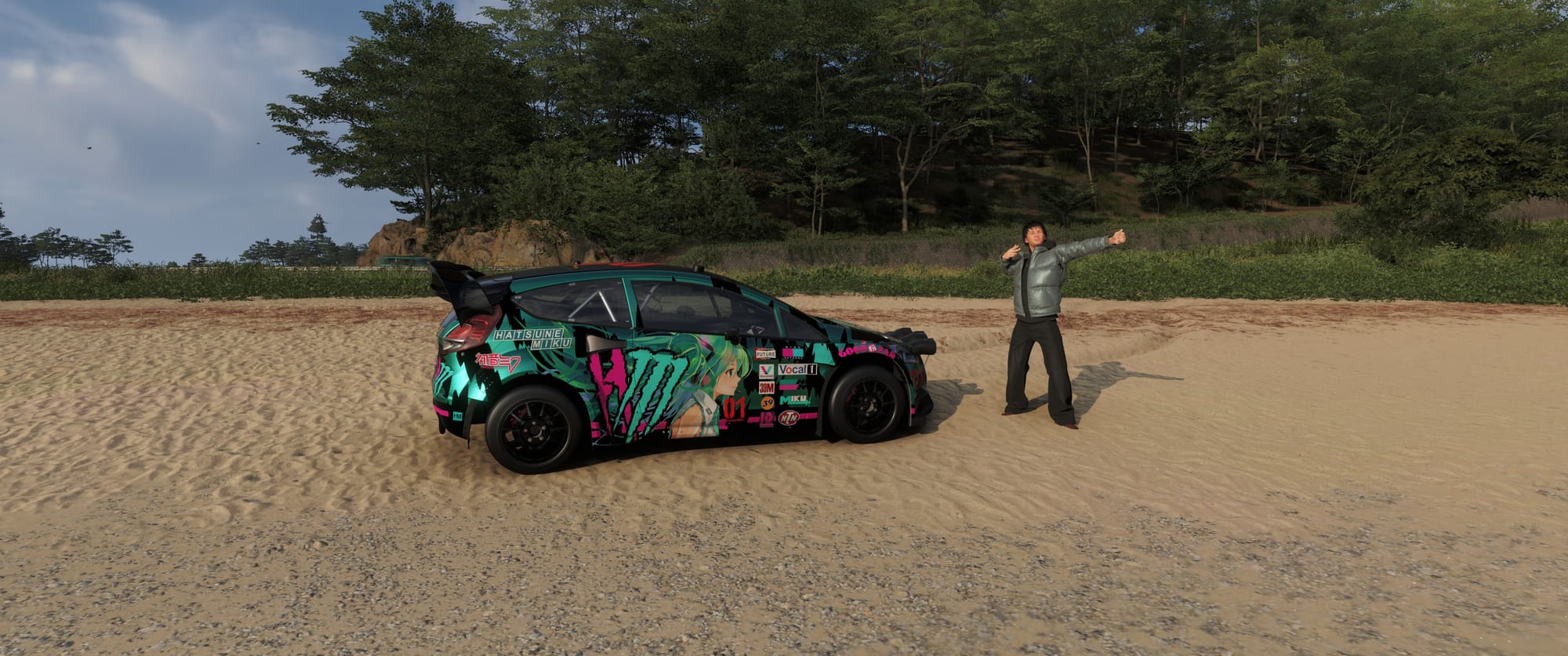
The game's lack of direction is also apparent in some of the features it heavily marketed before release, only for them to feel largely irrelevant shortly after launch.
The biggest example of this is car meets. To Playground Games' credit, the studio has already announced plans to expand the feature and provide players with more reasons to participate. However, at the time of writing, car meets feel more like a seasonal checklist item than a meaningful social activity. Most players simply drive there, park the required car, collect their seasonal points, and leave.
This is particularly disappointing because Forza Horizon has clearly been trying to embrace car culture more deeply with each new entry. When most people think of car meets in Japan, they imagine parking lots and garages filled with unique builds, custom liveries, and passionate enthusiasts sharing their creations. Those gatherings are interesting even to people with only a passing interest in cars because they celebrate individuality and community.
That sense of community is largely missing from Horizon's implementation. The feature exists, but it rarely feels like a destination where players genuinely want to spend time.
The same feeling extends to the game's customization options. As someone who never played previous Forza titles but spent hundreds of hours customizing vehicles in games like Grand Theft Auto V, I was surprised to discover that a racing game set in Japan offers no form of underglow or neon lighting customization.
From what I've gathered through community discussions, this has never been a feature in the series. While I understand that Forza has always aimed for a more grounded approach to customization, it still feels like a strange omission given the setting and the game's emphasis on self-expression.
I sincerely hope Playground Games revisits this decision in the future. Not only would additional lighting options expand the customization system, but they would also make the game's leisurely cruising and social spaces significantly more visually appealing.
Where does this leave us?
Despite all the criticism in this article, I consider Forza Horizon 6 nothing short of an excellent game. However, when it comes to breaking down the barrier between casual racing fans and dedicated car enthusiasts, there is still a long road ahead before it can truly establish itself as either one or the perfect blend of both.
Only Playground Games knows which direction is ultimately best for the series. Whether that means loosening restrictions on aesthetic customization or leaning further into the simulation aspects of the experience, every decision risks alienating a portion of the player base. Finding the right balance is easier said than done.
If I were to choose an approach, I would look toward community-driven games such as RuneScape. Polling players on potential features and changes can provide valuable insight into what the community actually wants before major decisions are made. It allows developers to better understand player sentiment while giving the community a greater sense of involvement in the game's future.
Thankfully, Forza already has systems in place that allow players to vote on feedback and highlight issues they consider important. Seeing those tools exist gives me hope for the future of a game that, despite my criticisms, is already an incredibly enjoyable experience.
Forza Horizon 6 may not have fully solved the challenge of appealing to both newcomers and enthusiasts, but it has laid a strong foundation. Whether Playground Games can bridge that final gap will likely determine just how far the series can go.